Observation Point: Zion's Less Crowded Alternative to Angels Landing
When planning a trip to Zion National Park, images of towering sandstone cliffs, verdant hanging gardens, and the Virgin River carving its way through a majestic canyon often come to mind. While iconic trails like Angels Landing and The Narrows capture much of the spotlight, there's another breathtaking vista that deserves your attention –
Observation Point in Zion National Park. Offering unparalleled panoramic views that arguably surpass even those from Angels Landing, this destination provides a magnificent, often less-crowded alternative for intrepid hikers seeking to witness Zion's grandeur from above.
The Allure of Observation Point: Why It Stands Out
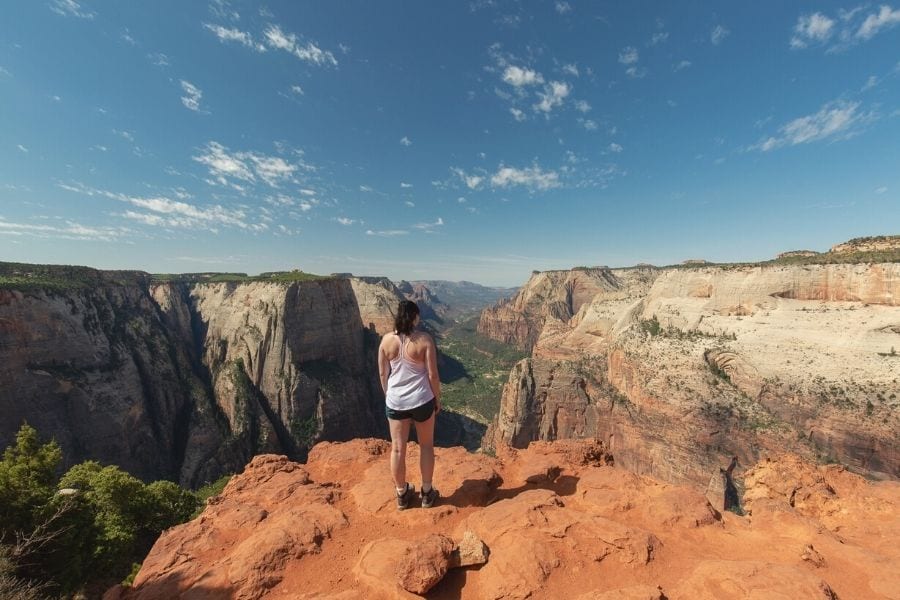
Observation Point truly lives up to its name, presenting a vast, sweeping panorama of Zion Canyon that few other vantage points can rival. From this lofty perch, roughly 2,100 feet above the valley floor, you gaze down upon the serpentine Virgin River, the bustling Zion Canyon Scenic Drive, and even see Angels Landing dramatically jutting out below you. It’s a perspective that offers a profound sense of scale and awe, allowing you to absorb the full majesty of the park’s geological wonders. The sheer breadth of the view, encompassing a significant portion of the main canyon, makes it a photographer's dream and a hiker's ultimate reward. Unlike the often-congested Angels Landing chain section, reaching Observation Point typically offers a more serene and reflective experience, allowing visitors to soak in the silence and splendor of nature without the constant jostle of crowds.
The Classic (and Currently Inaccessible) Weeping Rock Route
For decades, the classic route to
Observation Point in Zion National Park began at the Weeping Rock trailhead, located at shuttle stop #7 on the Zion Canyon route. This trail was renowned for being a challenging, strenuous ascent, covering approximately 8 miles round trip with an elevation gain of around 2,100 feet, typically taking 4 to 6 hours. Hikers embarking on this journey were treated to a diverse and thrilling experience. The initial climb involved numerous switchbacks carved into the mountainside, offering striking viewpoints and dizzying drop-offs that truly tested one's mettle.
Along the way, the trail provided glimpses into the mysterious Echo Canyon, a large surface canyon sanctuary adorned with beautiful slickrock structures and gorgeous white cliffs. As hikers delved deeper into Echo Canyon, the surroundings dramatically changed, with towering canyon walls providing shade and a noticeable drop in temperature. The path often followed a dry streambed before continuing its climb. A spur trail to Hidden Canyon presented an optional diversion, though fully exploring Hidden Canyon itself required a separate, dedicated effort. Further along, the route intersected with the East Rim Trail junction, providing access to other demanding but scenic trails like Cable Mountain and Deertrap Mountain – adventures best reserved for a full day of hiking. The final ascent involved vertical zigzags up the Upper White Cliff structures, culminating in the sandy upper plateau from which the spectacular Observation Point emerges.
However, it's crucial for prospective hikers to know that the Weeping Rock trailhead, and consequently this classic route to Observation Point, has been *closed since 2019 due to a major rockfall event*. While its grandeur and challenge are legendary, this path is currently inaccessible.
Accessing Observation Point Today: The East Mesa Trail
Fortunately, the awe-inspiring vistas from
Observation Point in Zion National Park are still accessible, albeit via a different route: the East Mesa Trail. This trail has emerged as the primary, and currently *only*, way to reach Observation Point. What's more, it offers a stark contrast to the strenuous Weeping Rock climb, providing a significantly easier and more straightforward hiking experience.
The East Mesa Trail to Observation Point is often rated as easy to moderate for most hikers. It's a relatively flat journey compared to the steep ascent from the canyon floor, traversing a scenic plateau east of the main canyon. The trailhead for the East Mesa Trail is located outside the main Zion Canyon, often requiring a drive to a different starting point near the park's East Entrance. Because it avoids the dramatic elevation changes and cliff-edge exposure of the original route, it’s an excellent option for families, those less accustomed to strenuous climbs, or anyone looking for a more relaxed approach to an iconic viewpoint. The reward at the end is the same incredible panorama, making this hike an absolute must-add to your Zion bucket list. While the journey itself might be less dramatic than the original, the destination remains one of Zion's finest.
Tips for Your Observation Point Adventure
To make the most of your visit to
Observation Point in Zion National Park, consider these practical tips:
*
Check Current Conditions: Always verify trail status with the National Park Service before your hike. Conditions can change, and closures can occur.
*
Understand Access for East Mesa Trail: The East Mesa trailhead is outside the main Zion Canyon and requires a drive, often on unpaved roads. Depending on the season and road conditions, a high-clearance vehicle might be advisable. Parking can also be limited, so plan to arrive early.
*
Hydration is Key: Even on the "easy" East Mesa Trail, Zion's desert environment demands ample water. Carry more than you think you'll need, especially during warmer months.
*
Sun Protection: Much of the East Mesa Trail is exposed. Bring a hat, sunglasses, and sunscreen to protect yourself from the intense desert sun.
*
Appropriate Footwear: While easier, it's still a trail. Wear sturdy hiking shoes or boots to navigate varied terrain comfortably.
*
Pack Snacks: A celebratory snack at Observation Point will be well-deserved. Pack high-energy foods.
*
Leave No Trace: Practice Leave No Trace principles. Pack out everything you pack in, stay on designated trails, and respect wildlife.
*
Photography: This is one of the most photogenic spots in Zion. Bring your camera and perhaps a wide-angle lens to capture the expansive views. Consider golden hour (early morning or late afternoon) for the best light.
*
Crowd Avoidance: While generally less crowded than Angels Landing, Observation Point can still see significant visitor numbers, especially during peak season. An early start often yields a more solitary experience.
*
Don't Rush: The point is to enjoy the journey and the destination. Take your time, appreciate the scenery, and savor the moment at the viewpoint.
Conclusion
For those seeking an unforgettable perspective of Zion National Park, one that offers breathtaking panoramas without the intense crowds or daunting chains of Angels Landing, Observation Point stands as an essential destination. Whether you recall the challenging ascents of the now-closed Weeping Rock trail or plan to embark on the more accessible East Mesa route, the reward remains the same: a profound, sweeping view into the heart of Zion Canyon. It’s a place that inspires awe, provides a true sense of accomplishment, and solidifies
Observation Point in Zion National Park as one of the park's absolute must-see experiences. Plan your adventure, pack your essentials, and prepare to be mesmerized by Zion’s grandeur from this magnificent perch.